In this Wellness at the Whiteboard, we break down the Healthy Steps Nutrition Framework—a holistic, sustainable approach designed to help people not just manage symptoms, but truly prevent and even reverse chronic disease.
Healthy Steps Nutrition was founded in 2012 by Nicole Aucoin, a Registered Dietitian working in a hospital setting who noticed a hard truth: people were receiving nutrition care after chronic disease had already developed. What they really needed was support 15–20 years earlier.
That realization sparked a mission—to help people make health a way of life, not a short-term fix. Over time, it became clear that nutrition alone isn’t enough. True health requires a comprehensive framework built on daily habits.
That’s where the six pillars of the Healthy Steps Nutrition Framework come in.

There’s a lot of confusion around nutrition, driven by misinformation, conflicting research headlines, and food marketing. Healthy Steps Nutrition focuses on simplicity and sustainability through three core principles.
Core Nutrition Principle #1: Prioritize Whole Foods
Whole foods come first.
This means:
Lean proteins
Vegetables and fruits
Nuts and seeds
Starchy carbohydrates in appropriate portions
A helpful guideline is shopping the perimeter of the grocery store, where foods are less processed and closer to their natural form.
Core Nutrition Principle #2: Balance Macronutrients
Macronutrients—protein, carbohydrates, and fats—all play essential roles.
Protein is especially important for muscle maintenance, metabolism, and satiety, yet it’s often under-consumed.
A simple plate method:
½ plate: vegetables
¼ plate: protein
¼ plate: starch
Fats come from cooking methods and food sources
Eating vegetables and protein first helps with fullness and blood sugar control, while keeping starch portions balanced.
Core Nutrition Principle #3: Limit Ultra-Processed Foods, Added Sugar & Alcohol
The average American consumes over 50% of calories from ultra-processed foods.
Research shows high intake of ultra-processed foods is linked to:
Anxiety and depression
Cognitive decline
Increased risk of chronic disease
One study of over 10,000 people found that consuming more than 20% of calories from ultra-processed foods was associated with significant cognitive decline.
Added sugars fuel cravings, disrupt blood sugar, and are hidden in many packaged foods. Alcohol, even within recommended limits, negatively impacts sleep quality and increases cancer risk.
Think of your body like a high-performance vehicle—it runs best on premium fuel.

Consistent movement is critical—especially in today’s screen-heavy world.
While strength training at the gym is important, daily movement matters just as much. Research shows:
A 15-minute walk after meals can significantly lower blood sugar
Doing 10 air squats every 45 minutes can reduce blood sugar by about 21%
As we age, we naturally lose muscle—about 0.8–1% per year. Low muscle mass is associated with a 20% higher risk of mortality, while older adults with higher muscle mass experience a 20% lower risk of mortality.
Exercise recommendations:
Strength training 2–3 times per week
Regular cardiovascular movement
Intentional daily activity
Muscle is medicine—and movement is non-negotiable for long-term health.

Sleep is foundational to health, yet it’s one of the most overlooked pillars.
Our bodies rely on sleep to:
Regulate hormones
Repair and rebuild muscle
Support energy levels
Maintain mental health
Research shows that getting fewer than six hours of sleep per night disrupts hormone balance, increases cortisol (stress hormone), and raises fasting blood sugar—directly increasing the risk for chronic disease. Poor sleep is also linked to higher rates of anxiety and depression.
Recommended sleep for adults: 7–8 hours per night.
If you’re working on your health but ignoring sleep, you’re fighting an uphill battle.

Stress is unavoidable—but how we respond to it matters.
Acute stress (like slamming on the brakes in traffic) is normal. Chronic stress, however, leads to chronic disease. Our thoughts shape our behaviors, and our behaviors shape our health.
A helpful framework from Soundtracks by Jon Acuff encourages us to question our internal dialogue:
Is it kind?
Is it true?
Is it helpful?
Negative thought patterns often fail all three.
Tools we use with clients include:
Daily positive affirmations
Journaling
Mindfulness or prayer
Music or morning routines that set a calm tone
Starting the day grounded instead of rushed can dramatically impact stress levels and overall health.

Humans are wired for connection—and our health depends on it.
A 2023 Surgeon General report found that social isolation is as harmful as smoking 15 cigarettes per day.
The people you surround yourself with matter. One powerful exercise:
Identify the five people you spend the most time with
Ask yourself:
Do they lift me up?
Are they aligned with my goals and values?
Do they support my health journey?
Community makes healthy habits sustainable. This is why boutique fitness facilities, group coaching, and family-based lifestyle changes are so effective.
Having a coach or accountability partner helps ensure you’re not pulled backward by old habits—but supported toward progress.

Health is not created through pills, supplements, or short-term programs.
Health is an outcome of habits.
Daily choices—how you sleep, eat, move, think, and connect—create your long-term results. The goal isn’t perfection. The goal is a strong foundation that allows health to become automatic.
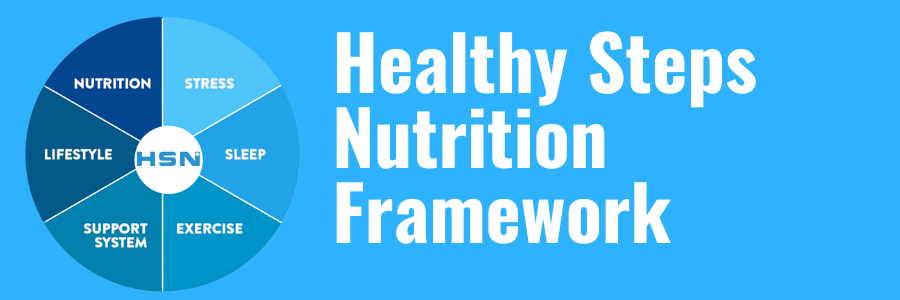
Together, these pillars create a sustainable path to preventing and reversing chronic disease—without extremes or overwhelm.
If this framework makes sense but you feel stuck implementing it alone, coaching can bridge the gap.
Healthy Steps Nutrition coaching pairs you with a dedicated coach who:
Performs an initial assessment with biometric tracking
Goal setting
Builds a realistic, personalized plan
Helps navigate barriers
Provides weekly check-ins through the app
Ongoing Education
You don’t have to do this alone.
If you’re ready for support, book a discovery call to learn how personalized coaching can help you make health a way of life.
And remember—progress starts with just one step.